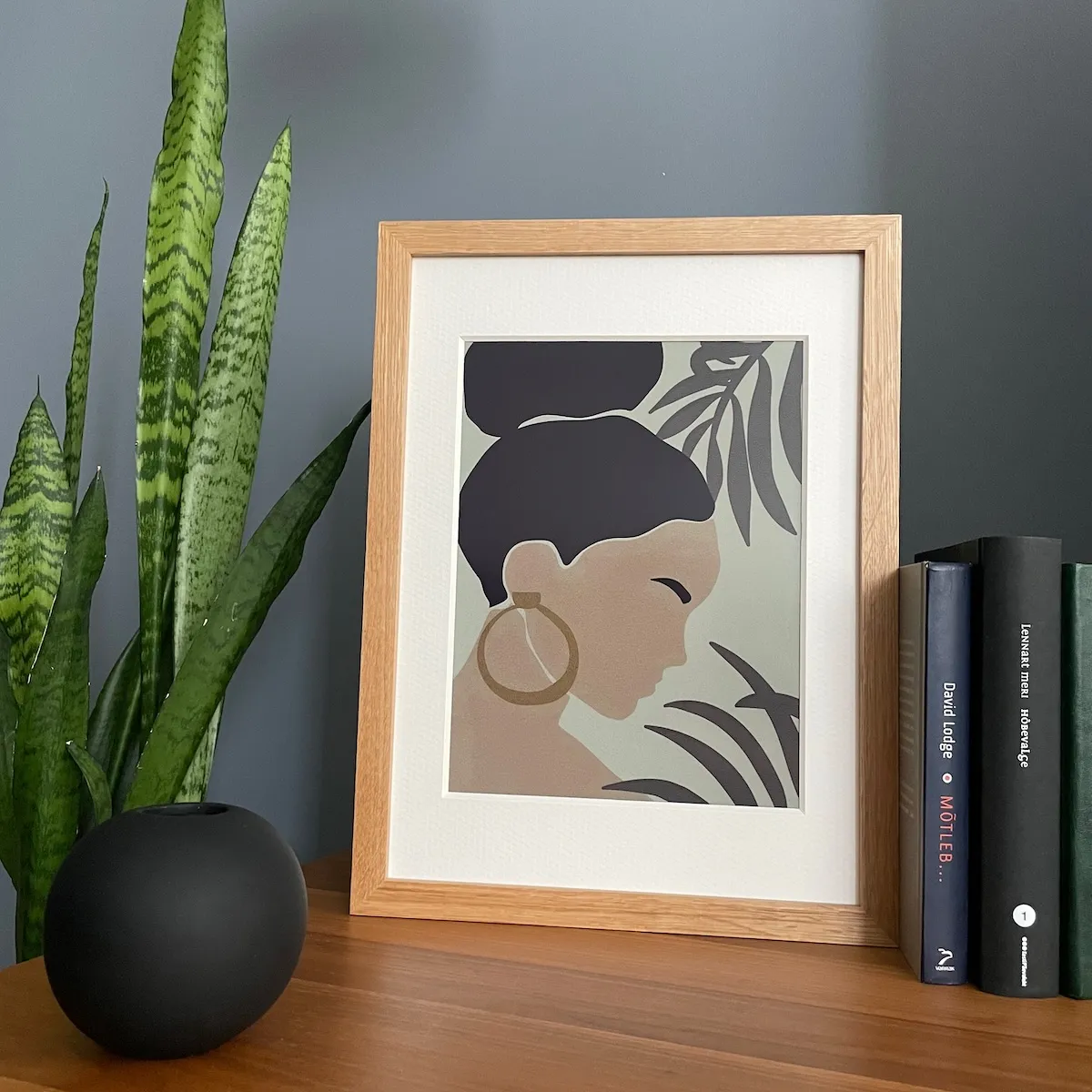
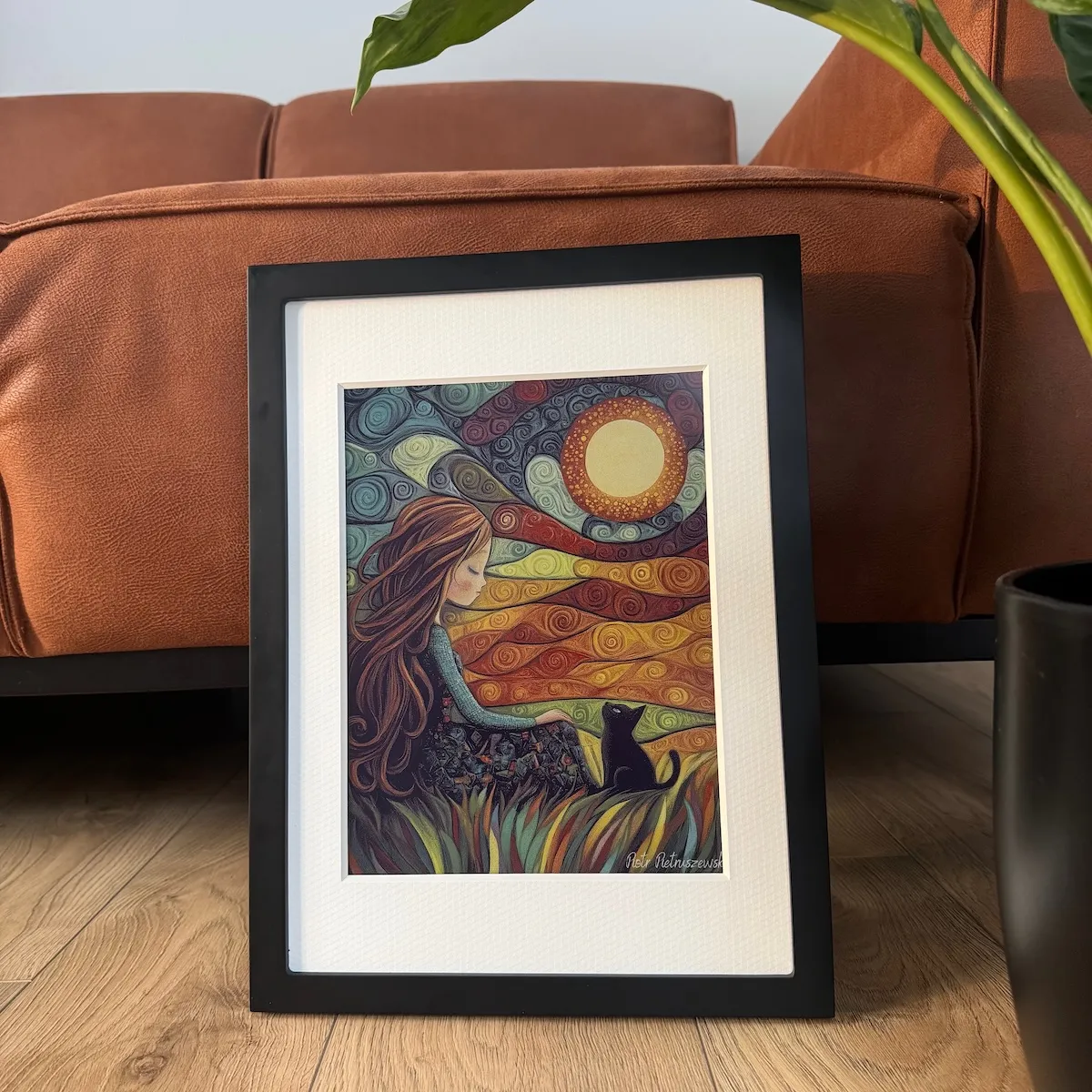
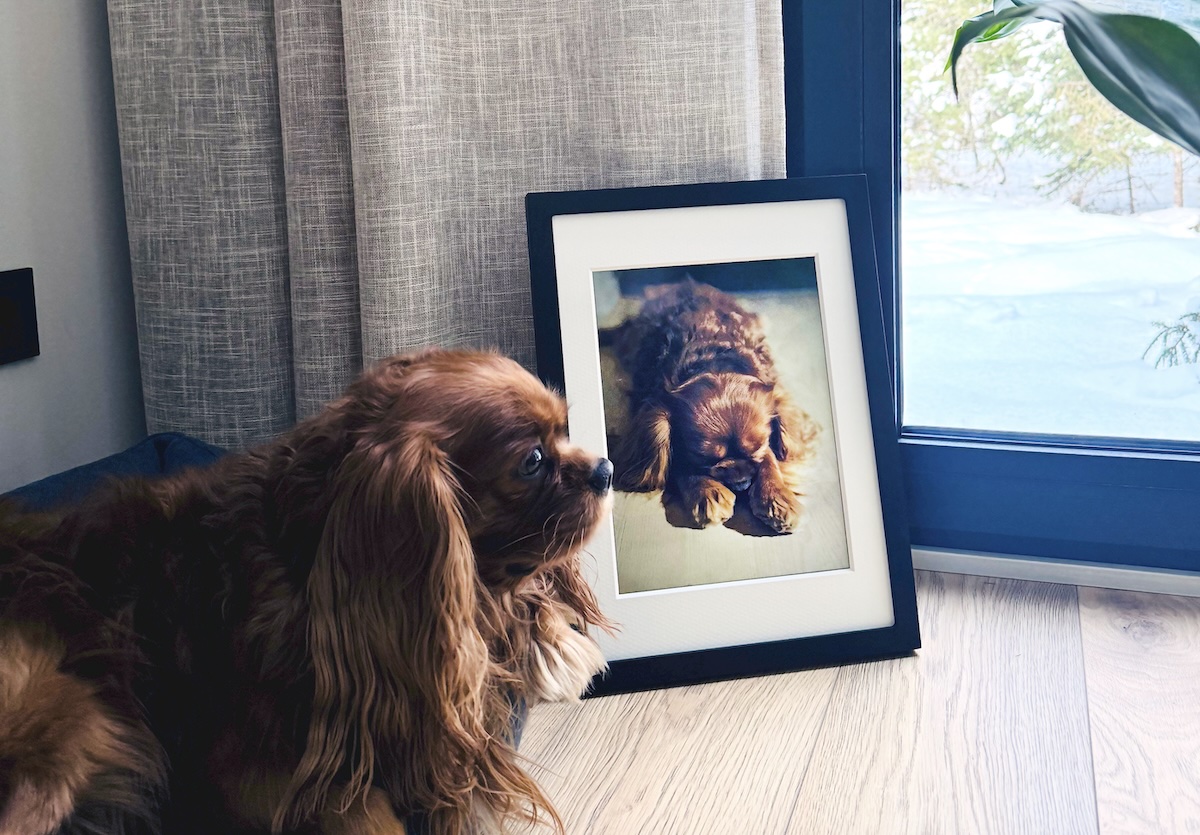
Review: an oak digital picture frame that feels like a real print
Filmphotography.eu tested the oak E Ink Spectra 6 frame for several weeks. Verdict: a gadget that finally feels like art on the wall.
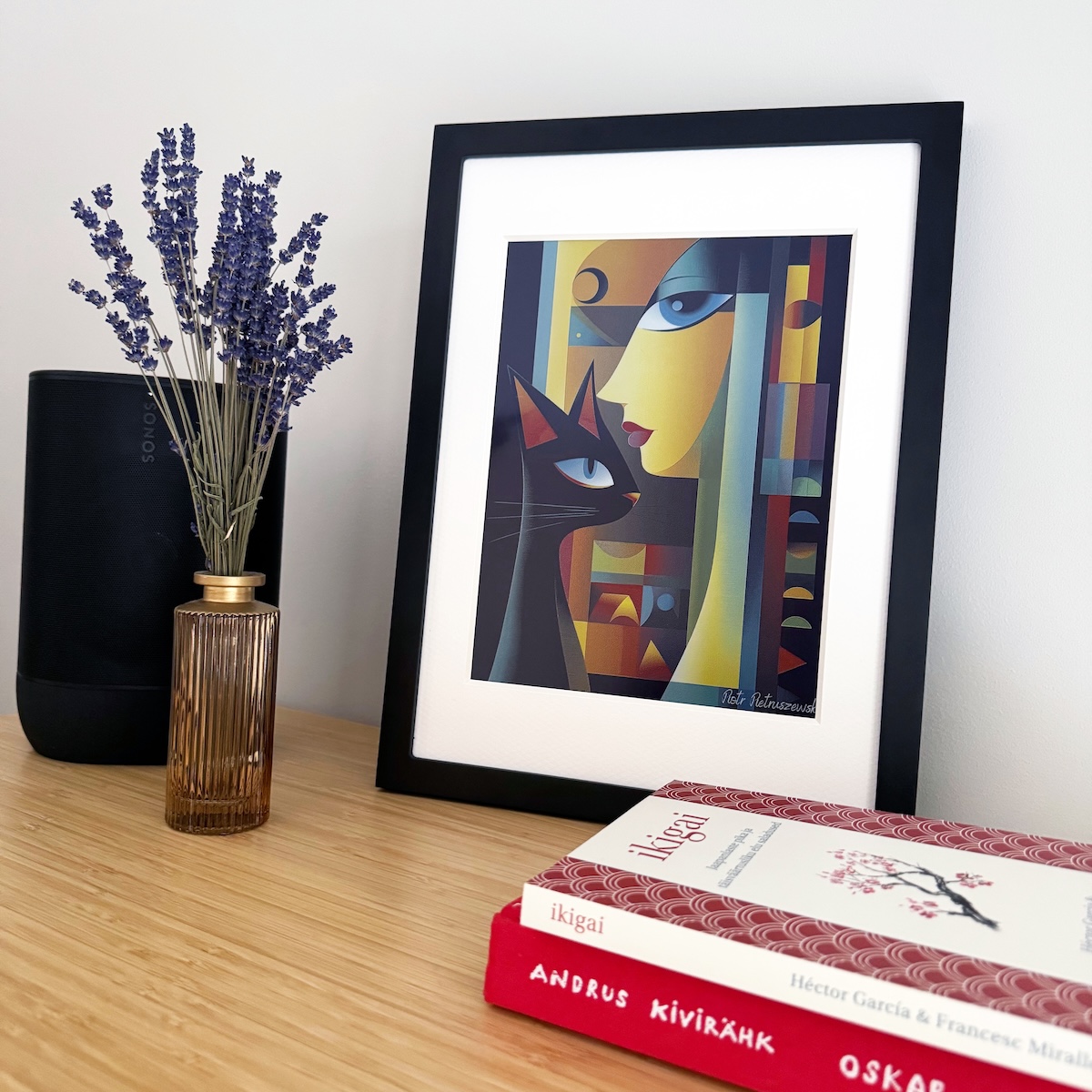
For a photographer, there is nothing more satisfying than seeing your own work on the wall. Despite that, thousands of pictures stay on hard drives and in the cloud — because a paper print requires paper choices, calibration, framing and mats. Once a picture is on the wall, it often stays there for years, because the threshold to swap it is too high.
Years ago the industry promised a solution with digital picture frames. The reality was harsh: cheap LCD screens that looked like a bad monitor, glowed intrusively and constantly needed a power cable running out of the wall. They had little to do with art.
Filmphotography.eu tested the oak version of Reflection Frame for several weeks — a digital picture frame that promises to look like a real paper print, without cables and with the feel of a real frame. First impression: this is not consumer electronics. The solid wood frame is heavy and finished like a good gallery frame.
At its heart is a 13.3-inch E Ink Spectra 6 display with a resolution of 1600 × 1200 px — the visible image is around 20 × 25 cm, a classic 8×10". E Ink only consumes energy when the image changes, so according to the manufacturer the 5000 mAh battery should last up to two years. A more detailed look at the technology is in digital picture frame with a battery. It charges via USB-C, but you only need the cable every couple of years.
The approach is radically minimalist. There is no SD card slot, no menu on the frame itself and no need to connect it to Wi-Fi. All control happens in a free app: pick the image, adjust the composition, hold the phone near the bottom edge of the frame. The image is transferred via NFC — a more detailed explanation is in Tap-to-Print: how one tap changes the picture. No cloud service, no account, no subscription.
The moment the image changes is almost ritual. The picture doesn't appear like on an iPad — it is built up colour by colour. It flickers, the colours flip, and then the motif appears. It is reminiscent of a Polaroid developing or a picture emerging in a darkroom tray — a technical process with an emotional dimension.
Image quality requires a nuanced look. Don't expect the saturated colours of an OLED — this is electronic paper and looks exactly like that. The screen does not glow, it reflects ambient light: the better the light, the more alive the image. In direct daylight, where ordinary screens give up, Reflection Frame looks like a high-quality matte fine-art print, with a slight paper texture and no glare.
Colours and contrasts are a bit quieter than on a phone screen — deep black is more of a dark grey. Up close you can see the pixel structure, similar to film grain or newspaper raster. From one or two metres away it melts into a single image.
In summary: Reflection Frame is a rare piece of technology that genuinely brings together a digital photo and the presentation of analogue. It pulls photos out of the prison of the cloud and back to where they belong — onto the wall. The lack of glowing pixels and an ugly cable means the frame blends into the interior instead of feeling like a foreign object. For anyone who presents their photos and wants to swap them often without ordering a new print, this is a serious option — a 'slow photography' gadget. A more thorough comparison of devices on the market is in best digital picture frame 2026.